Safety
Dryer Vent Fire Risk: 4 Warning Signs You Shouldn't Ignore
June 5, 2026
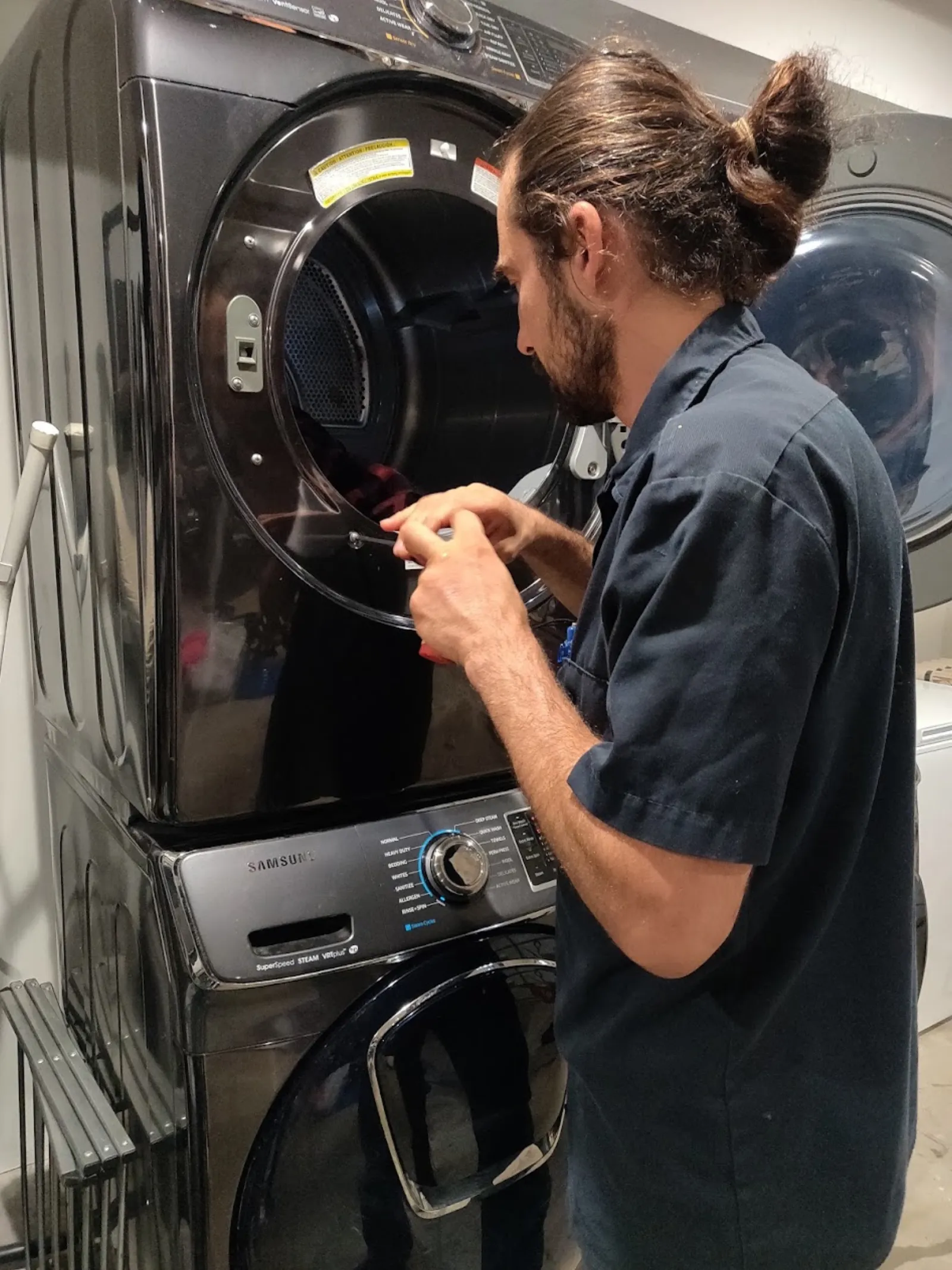
This is the appliance maintenance topic most homeowners skip past — and it’s the one that matters most. Clogged or restricted dryer vents cause roughly 15,000 house fires per year in the United States. Most of them are preventable, and most start with warning signs that were visible for weeks before anything happened.
Why Dryer Vents Are a Fire Risk
A dryer’s heating element or gas burner produces heat that needs to escape through the exhaust vent along with moisture pulled from your clothes. When that vent is restricted — by lint buildup, a crushed section of duct, too many bends, or a run that’s simply too long for the dryer’s blower to push air through — two things happen at once: the dryer runs hotter internally than it’s designed to, and highly flammable lint accumulates in a duct that’s now retaining more heat than it should.
Lint is extremely combustible. It doesn’t take much heat to ignite an accumulation of it sitting inside a duct run, especially one buried inside a wall or ceiling cavity where you won’t notice a problem until it’s serious.
Four Signs Your Vent Needs Attention
1. Clothes take two or more cycles to fully dry. This is usually the first sign, and it’s the one people notice but attribute to the wrong cause — a “weak dryer” rather than a blocked vent. If your dryer used to finish a load in one cycle and now consistently needs two, restricted airflow is the most common explanation, especially if nothing else has changed about your laundry habits.
2. The dryer’s exterior feels unusually hot during a cycle. Some warmth on the outside of a running dryer is normal. A cabinet that’s hot to the touch, or a noticeably warmer laundry room than usual, suggests heat isn’t escaping through the vent the way it should.
3. Lint is visibly accumulating around the outside vent flap. Go outside and look at where your dryer vents to the exterior. If you see lint building up around the flap opening, or the flap isn’t opening fully during a cycle, airflow is restricted somewhere in the run.
4. A musty or hot smell in the laundry area. This can indicate trapped moisture that isn’t being properly exhausted, which points to the same underlying airflow problem — and in humid conditions, can also promote mold growth inside the duct.
Why This Is Especially Relevant in Los Angeles
We see this pattern more than you’d expect across Los Angeles’ older housing stock. A lot of original vent installations — particularly in Eastside neighborhoods with homes built in the early-to-mid 20th century — were never designed with a modern high-capacity dryer in mind. Vent runs that are too long, that route through multiple 90-degree turns to reach an exterior wall, or that use corrugated flexible duct (which catches lint far more readily than smooth rigid duct) all restrict airflow more than a straightforward, short run would.
Near the coast — Santa Monica, Malibu, and similar areas — salt air adds another factor: it accelerates corrosion on metal duct sections, and we’ve found collapsed sections in beach-adjacent buildings more often than people would expect.
What to Do About It
If you notice any of the four signs above: Have the vent inspected before your next several loads, not after. A restricted vent doesn’t resolve on its own, and running a dryer against increasing resistance accelerates wear on the heating element or igniter — meaning you’re likely to end up needing both a vent cleaning and a component repair if you wait.
Basic prevention that helps regardless: Clean the lint trap before every single load, not just when you remember. It takes five seconds and is the single biggest thing you can do to reduce lint reaching the vent duct in the first place.
What we check on every dryer visit: Vent path length, duct material, and airflow at the exterior flap are part of every diagnostic we perform, whether you called about a heating issue or something else entirely. If the vent needs cleaning or the run is genuinely too long and restricted for safe operation, we’ll tell you directly.
When to Call Immediately
If you ever detect a burning smell from your dryer — not just warm, but distinctly like burning — stop using it immediately and unplug it (or shut off gas supply on gas models) until it’s been inspected. This is not a “run it one more time to see” situation.
We handle dryer repair and vent inspection throughout Los Angeles, including dedicated service in Los Angeles, Beverly Hills, and Santa Monica. Call (323) 806-3039 for same-day service.