Troubleshooting
Sub-Zero Error Codes Explained: What Your Display Is Telling You
July 21, 2026
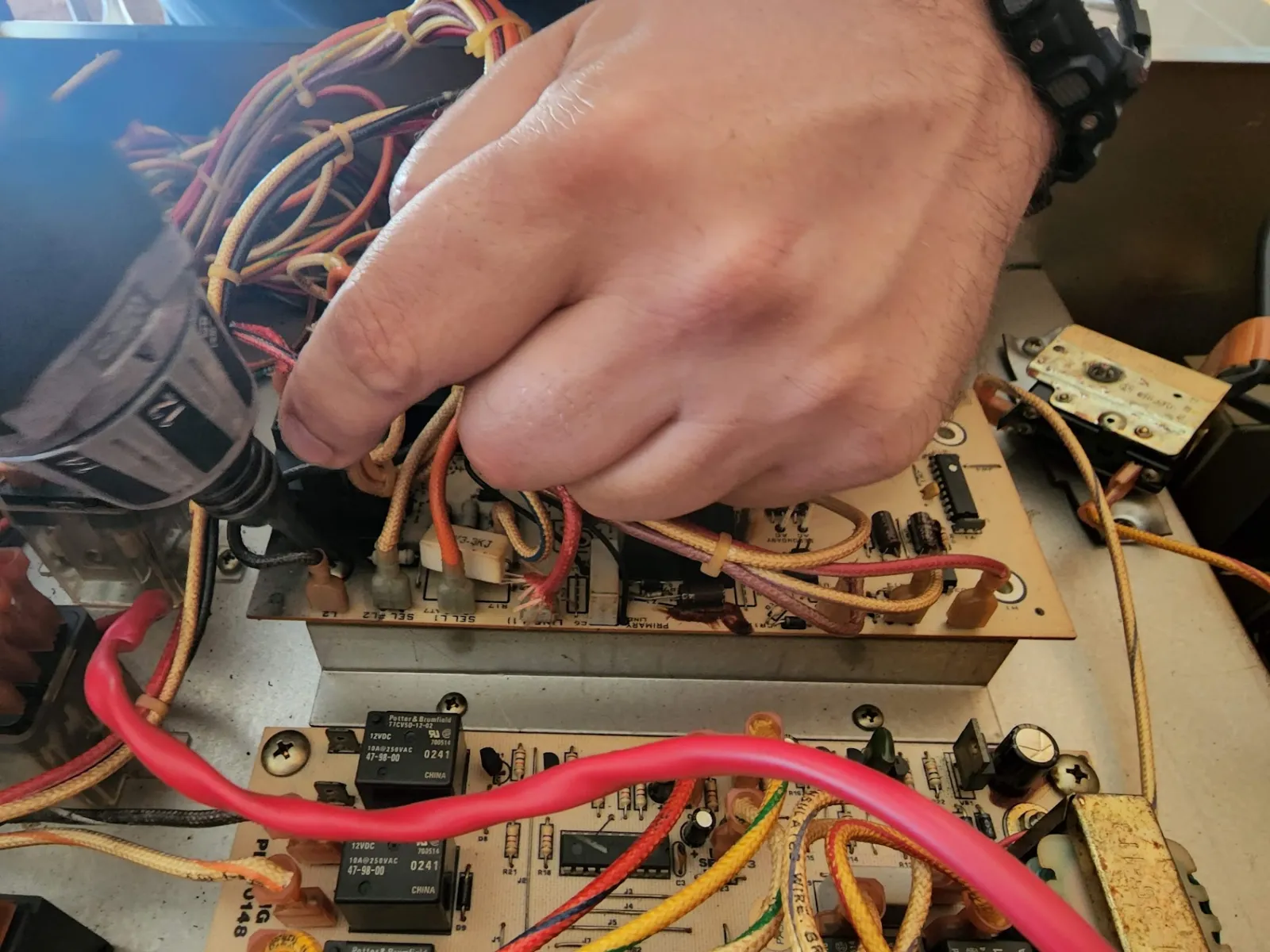
Sub-Zero’s electronic control panels are built to flag problems before they become emergencies — which is genuinely useful, but only if you know what the display is actually telling you. Unlike some brands that show a simple numeric code, Sub-Zero units communicate faults through a mix of flashing indicator lights, audible alarms, and (on newer models) short text messages. Here’s what the ones we see most often on service calls actually mean.
Not sure which side of the unit is affected first? Start with our Sub-Zero not cooling guide — the dual-compressor design changes how you should read these signals.
High-Temperature Alarm (Flashing Display or Audible Beep)
This is the one homeowners call about most, and it’s often mistaken for a compressor failure. It isn’t always one.
What it means: The control board detected that a compartment stayed above its target temperature longer than the alarm threshold allows.
Check first:
- Was a door left ajar, even slightly, in the last few hours? This is the single most common cause.
- Is the compartment newly loaded with a large amount of warm food (groceries, a full cooler transferred in)? The alarm can trigger temporarily while the unit catches up — give it a few hours before assuming a fault.
- Are the vents blocked? See our note on ventilation in the not-cooling guide — this causes more false high-temp alarms on Sub-Zero units than any other single issue.
If none of those apply: the alarm is likely legitimate and points to a real cooling fault on that side of the unit.
”FC” Indicator (Filter Change)
What it means: Routine — the water filter is due for replacement based on usage, not a malfunction.
What to do: Replace the filter (Sub-Zero-specific cartridges are available through us or authorized parts suppliers) and reset the indicator per your model’s manual. While you’re in there, it’s a good time to check ice production — a clogged filter can also cause slow ice maker cycles that look like a separate problem.
Compressor Clicking Without Starting
What it means: Not technically a “code,” but a pattern worth recognizing — you hear a click every few minutes from the base of the unit, but the compressor never actually spins up.
Likely cause: A failed start relay on that side’s compressor. The compressor attempts to start, can’t, and trips its internal overload protector. This repeats in a cycle.
Is it urgent? The affected side will not cool at all until this is fixed, but it’s a relatively inexpensive, well-understood repair — not a sign of a bigger sealed-system problem by itself.
Ice Maker Cycling But Not Producing Ice
What it means: The ice maker module is attempting a harvest cycle (you may hear it operate) but no ice drops, or production has slowed significantly.
Check first: Water filter age (see “FC” above), and whether the freezer-side compartment is actually reaching temperature — an ice maker can’t produce properly if the surrounding compartment is running warm, which points back to a cooling issue rather than the ice maker itself.
Persistent Blinking With No Clear Pattern
Some older Sub-Zero models (particularly pre-2010 Classic Series units) use blink-count patterns on a single indicator light rather than a text display, and the exact meaning varies by model generation and control board revision. If you’re seeing a blink pattern you can’t match to your owner’s manual, this is where a technician with a Sub-Zero service manual for your specific model year is genuinely faster than guessing — misreading an older blink code and replacing the wrong part is a common and avoidable expense.
When to Call for Sub-Zero Repair
Call if:
- A high-temp alarm persists more than a few hours after ruling out a door seal or vent blockage
- You hear compressor clicking without it ever starting
- The ice maker has stopped producing and the freezer side checks out warm
- You have an older unit showing a blink pattern you can’t decode
We provide same-day Sub-Zero repair across Los Angeles and the Westside, with technicians who carry OEM Sub-Zero parts and can read diagnostic patterns across every model generation. The $85 diagnostic visit is applied toward your repair. Call (323) 806-3039.